
Contents (10 sections)
Black Friday is often dubbed the biggest shopping day of the year. Each November, consumers eagerly anticipate major discounts from a variety of retailers and brands. However, without a well-structured budget, the excitement can quickly lead to overspending. In this guide, we'll explore how to prepare your budget for Black Friday sales effectively, ensuring you maximise savings while minimising financial strain.
1. Understanding the Importance of Budgeting for Black Friday
Before you dive into the Black Friday frenzy, it's crucial to understand why budgeting is essential. Many consumers get caught up in the hype and impulsively purchase items they later regret. In fact, a survey by UFC-Que Choisir found that 35% of shoppers regretted at least one purchase made during Black Friday sales. By establishing a budget, you set financial boundaries, enabling you to prioritise needs over wants, thereby ensuring that your spending aligns with your financial expectations. This is particularly valuable during a time characterised by diverse buying pressures.
A well-crafted budget helps in preventing unwanted debt that can result from impulsive purchases made during sales. Black Friday should be about strategic buying, where you take advantage of discounts on items you genuinely need or have been planning to purchase anyway.
2. Determining Your Overall Budget
The first step in preparing your budget for Black Friday is to determine the overall amount you can afford to spend. Start by reviewing your finances and factoring in income, expenses, and any savings you have. Look closely at your monthly budget to identify how much disposable income you realistically have available for shopping.
Once you have a clear understanding of your financial situation, allocate a specific amount for Black Friday shopping. It’s important to ensure that this budget does not interfere with savings for essentials like bills or emergency funds. A common recommendation is to spend no more than 10-20% of your discretionary income during Black Friday sales; this strikes a balance between enjoying the shopping event and maintaining financial stability.
3. Creating a Wish List of Items
Next, create a detailed wish list of items you plan to buy on Black Friday. This list should comprise things you genuinely need or are excited about purchasing. To avoid impulse buys, categorise your list into essential and non-essential items. For instance, electronic gadgets or winter wardrobe essentials might fall under essential, while luxury items could be listed as non-essential.
Additionally, make a note of the typical prices of these items before Black Friday. This will give you a clear perspective on what constitutes a good deal when the sales start. Being informed about standard prices helps you avoid being misled by exaggerated claims of discounts, ensuring that you only purchase items at genuinely reduced prices.
4. Researching Prices and Discounts
Once your wish list is ready, it’s crucial to research and compare prices across different retailers. Make use of online price comparison tools, which can help identify where the best discounts are available for the items on your list. Look out for early Black Friday promotions, as many retailers start offering discounts well ahead of the official day. According to a study by Les Numériques, nearly 62% of shoppers who completed their research saved an average of 25% on their purchases.
Consider setting up price alerts on your desired products to track any changes and act quickly once the price dips, thereby further saving on your budget. By comparing prices, you can make informed choices that align with your predetermined budget, ensuring that your spending remains within limits.
5. Allocating Funds for Unexpected Costs
While budgeting, it’s wise to anticipate additional costs that might arise during Black Friday sales. These can include shipping fees, taxes, or even costs associated with unplanned purchases. According to the INSEE, over 40% of consumers end up spending more than their initial projected budget due to unforeseen expenses during sales.
To mitigate this, consider allocating an additional 10% of your budget for miscellaneous costs. This cushion allows for flexibility without derailing your entire financial plan. Make it a rule to stick to your list and allocated budget, preventing spontaneous purchases that could lead to overspending.
6. Setting Up Alerts and Reminders
Once your budget and wish list are sorted, set up reminders for Black Friday. Schedule alerts for when the sales start so that you’re ready to shop when the discounts begin. Consider using shopping apps that send notifications regarding sales for the items on your wish list. These tools help streamline your purchasing process, ensuring you don’t miss out on significant deals.
To enhance your shopping experience, also explore options for setting up online shopping accounts with your chosen retailers beforehand. This allows you to save your payment details and shipping address, making the checkout process faster and reducing the chances of abandoning your cart due to lengthy checkouts.
7. Monitoring Your Spending
As you shop, keep a close eye on your spending to ensure you remain within budget. Use a simple spreadsheet or an app designed for managing budgets to track each purchase made during the sales. This real-time tracking prevents you from overspending and allows you to adjust your shopping strategy as needed if your total expenses start to creep up.
Additionally, after Black Friday, review your purchases critically. Assess whether each item meets your expectations and if your budget was respected. Learning from this experience will set you up for better planning in future sales events, enhancing your overall shopping strategy.
8. Checklist Before Shopping
- [ ] Determine total budget based on finances.
- [ ] Create a detailed wish list divided into essential and non-essential items.
- [ ] Research prices across various retailers and set price alerts.
- [ ] Allocate additional funds for unexpected costs.
- [ ] Set reminders for promotions and sale timings.
- [ ] Track your spending in real-time on a spreadsheet or app.
Glossary
| Term | Definition |
|---|---|
| Budget | A financial plan that outlines expected income and expenses over a specific time frame. |
| Wish List | A list of items a consumer desires to purchase, assisting in focusing on planned spending. |
| Comparative Shopping | The practice of researching and comparing prices on similar products from different retailers to optimise savings. |
> 📺 For further information: Watch Black Friday Shopping Tips 2026, a detailed overview of how to effectively scout and shop during Black Friday. Search on YouTube:
Black Friday shopping tips 2026.
By carefully preparing your budget for Black Friday, you can fully leverage the sales opportunities while preserving financial integrity. Remember, smart shopping is about making informed choices that align with your financial goals.
📺 Pour aller plus loin : Black Friday shopping tips 2026 sur YouTube
Recommended products
Selected by our experts

NETGEAR GS752TP 48 Ports Ethernet Switch - Up to 760W PoE+ Budget Business Networking Solution
box.co.uk
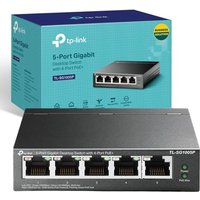
TP-Link TL-SG1005P 5-Port Gigabit Desktop PoE Switch with 4-Port PoE+, 802.3af/at 30W, 65W Total Budget, 802.1p/DSCP QoS for Traffic Prioritization, I
Amazon Sellers Programme (UK)


TP-Link TL-SG1005LP 5 Port Gigabit PoE Switch, 4Ã Gigabit PoE+ Ports, 802.3af/at 30W, 40W Total Budget, Network switch, Power Saving, Plug & Play, Me
Amazon Sellers Programme (UK)

TP-Link JetStream 8-Port Gigabit Smart PoE+ Switch with 2 SFP Slots, Supports 8 Gigabit PoE Ports, 58W Budget, Fanless (SG2210P) 10-Port|8-Port PoE+|6
Amazon Sellers Programme (UK)

TP-Link TL-SG105PE Managed 5-Port Gigabit PoE Network Switch, 4 Port PoE+ Ethernet Splitter Extenders up to 65W Power Budget, Support Network Monitori
Amazon Sellers Programme (UK)